Tags
#AngelDust, #Crystal, #EmbalmingFluid, #Fry, #Hog, #Ketamine, #KillerJoints, #leilaworldblog, #leilaworldblog1, #Lovelies, #MDMA, #Ozone, #PCP, #PhenylcyclohexylPiperdine, #RocketFuel, #Shermans, #Sherms, #SuperGrass, #Wack, #WetsAndWaters
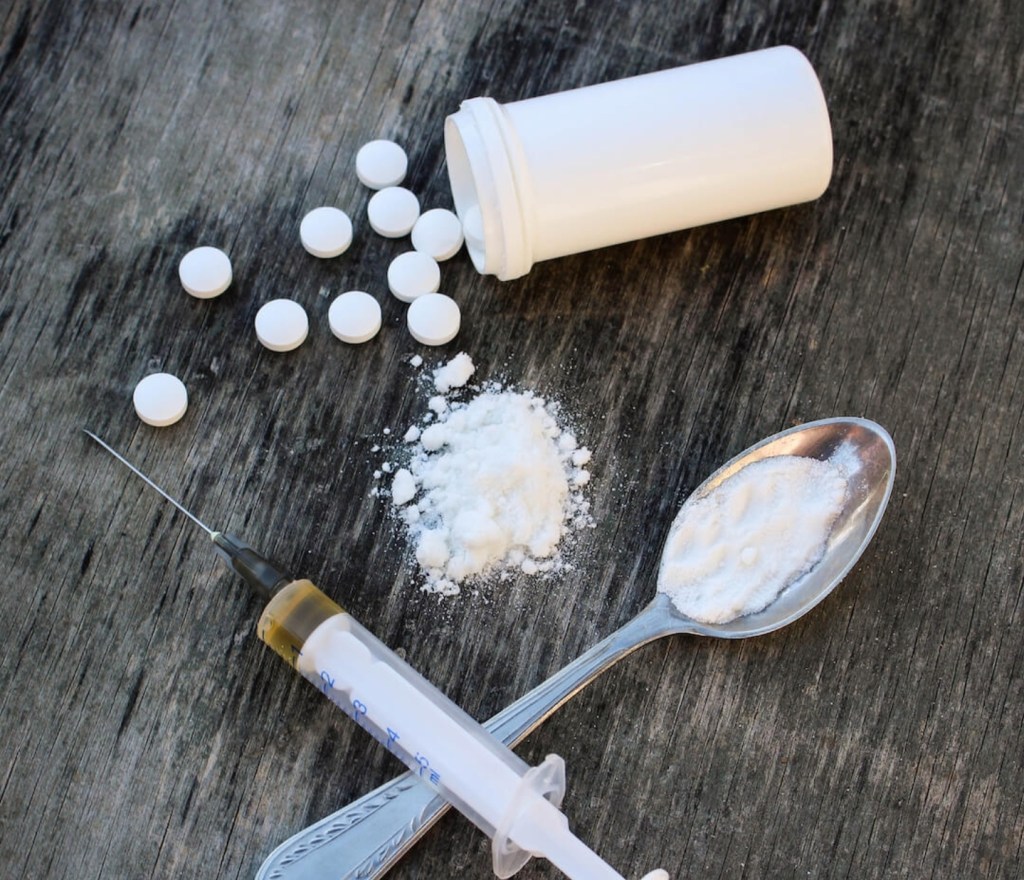
As if the Opiod Crisis, and Fentanyl Epidemic aren’t bad enough, now PCP is coming back with a vengeance!
BACKGROUND
PCP, ie, 1-(1-phenylcyclohexyl) piperidine hydrochloride, is a synthetic hallucinogen that has a variety of street names, including “angel dust,” “dust,” and “sherms”. These names, along with others, reflect its unpredictable and volatile effects. It was patented in the 1950s as a dissociative anesthetic agent called Sernyl but was later withdrawn from the market due to adverse effects, including severe agitation, confusion, hallucinations, and prolonged periods of decreased consciousness. The recreational use of PCP gained popularity during the 1960s due to its hallucinogenic effects and ease of synthesis. In April of 1979, all legal manufacturing of PCP in the United States was terminated.
In the early 1970s, a laboratory investigation of PCP derivatives led to the discovery of ketamine. Ketamine is 5 to 10 percent as potent as PCP and is now used clinically to induce dissociative anesthesia. Ketamine is also abused as a recreational drug.
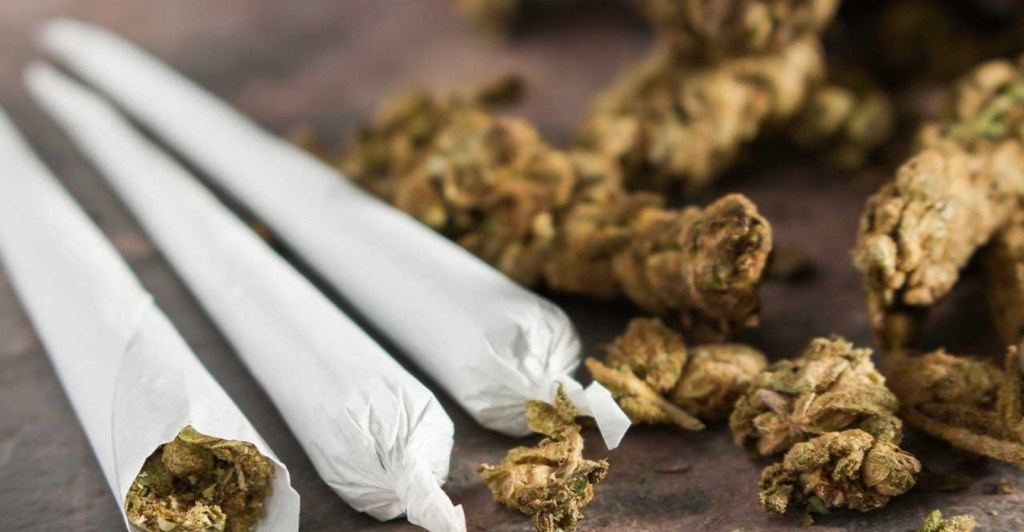
After a decline in abuse during the late 1980s and 1990s, the abuse of phencyclidine (PCP) has increased slightly in recent years. Street names include Angel Dust, Hog, Ozone, Rocket Fuel, Shermans, Wack, Crystal and Embalming Fluid. Street names for PCP combined with
marijuana include Killer Joints, Super Grass, Fry, Lovelies, Wets, and Waters.
Licit Uses:
PCP was developed in the 1950s to be used as an intravenous anesthetic in the United States, but its use was discontinued due to the high incidence of patients experiencing postoperative delirium with hallucinations.
PCP is no longer produced or used for medical purposes in
the United States.
Chemistry:
Phencyclidine, 1-(1-phenylcyclohexyl)piperidine, is a white crystalline powder, which is readily soluble in water or alcohol. PCP is classified as a hallucinogen. PCP is a “dissociative” drug; it induces distortion of sight and sound
and produces feelings of detachment.
Pharmacology:
PCP’s effects include sedation, immobility, amnesia, and marked analgesia. The effects of PCP vary by the route of administration and dose. The intoxicating effects can be
produced within 2 to 5 minutes after smoking and 30 to 60
minutes after swallowing. PCP intoxication may last from 4
to 8 hours; some users report experiencing subjective effects from 24 to 48 hours after using PCP. Low to moderate doses (1 to 5 mg) induce feelings of detachment from surroundings and self, numbness, slurred speech and loss of coordination accompanied by a sense of strength and invulnerability. A blank stare, rapid and involuntary eye movements are the more observable effects. Catatonic posturing, resembling that observed with schizophrenia, is also produced. Higher doses of PCP produce hallucinations. Physiological effects include increased blood pressure, rapid and shallow breathing, elevated heart rate and elevated temperature.
Chronic use of PCP can result in dependency with a withdrawal syndrome upon cessation of the drug. Chronic abuse of PCP can impair memory and thinking. Other effects of long-term use include persistent speech
difficulties, suicidal thoughts, anxiety, depression, and social
withdrawal.
Illicit Uses:
PCP is abused for its mind altering effects. It can be
abused by snorting, smoking or swallowing. Smoking is the
most common method of abusing PCP. Leafy material such as mint, parsley, oregano, tobacco, or marijuana is saturated with PCP, and subsequently rolled into a cigarette and smoked. A marijuana joint or cigarette dipped in liquid PCP is known as a “dipper.” PCP is typically used in small quantities; 5 to 10 mg is an average dose.
User Population:
PCP is predominantly abused by young adults and high school students. The American Association of Poison Control Centers (AAPCC) National Poison Data System reports 546 case mentions, 212 single substance exposures, and 2 deaths in 2020. For 2021, there were 438 PCP exposure case mentions and 165 single exposures, and one death in 2021.
According to the 2019 National Survey on Drug Use and Health (NSDUH), 30,000 individuals in the U.S., aged 12 and older, reported initiation of PCP use in the past year. In 2020, NSDUH reported an increase to 52,000, in the U.S., aged 12 years and older, who indicated initiation of PCP use within the last year. However, caution should be used when comparing estimates between 2020 and prior years because of methodological changes for 2020.
Illicit Distribution:
PCP is available in powder, crystal, tablet, capsule, and
liquid forms. It is most commonly sold in powder and liquid forms. Tablets sold as MDMA (Ecstasy) occasionally are found to contain PCP. Prices for PCP range from $5-$15 per tablet, $20-$30 for a gram of powder PCP, and $200-$300 for an ounce of liquid PCP. The “dipper” sells for $10-$20 each. According to DEA’s National Forensic Laboratory Information System (NFLIS) Drug database, the number of reports of PCP from participating federal, state, and local forensic drug laboratories totaled 4,019 in 2019, 3,499 in 2020, 3,097 in 2021, and 2,116 in 2022.
Control Status:
PCP is controlled in schedule II of the Controlled Substances Act
 Leila World Blog
Hey, I somehow got to your site. I am a professional content writer. Your skillset is high, you need to montize them!
LikeLiked by 1 person
Thank you so much. I am working towards that actually. I am learning how.
LikeLike