Tags
#breakingfreefromripcurrents, #leilaworldblog, #leilaworldblog1, #oceansafety, #ripcurrents, #riptide
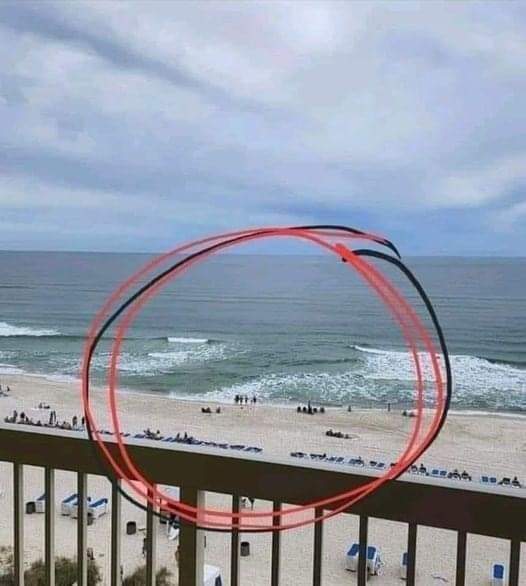
For those hitting the ocean and waves this summer. This is really simple. You can spot a Rip Current, aka Riptide. Unfortunately, it’s where it looks easiest and safest to enter the sea. This is because the Rip Current is looping around and pulling back OUT. Hence no waves rolling IN. NEVER ENTER THE SEA HERE.
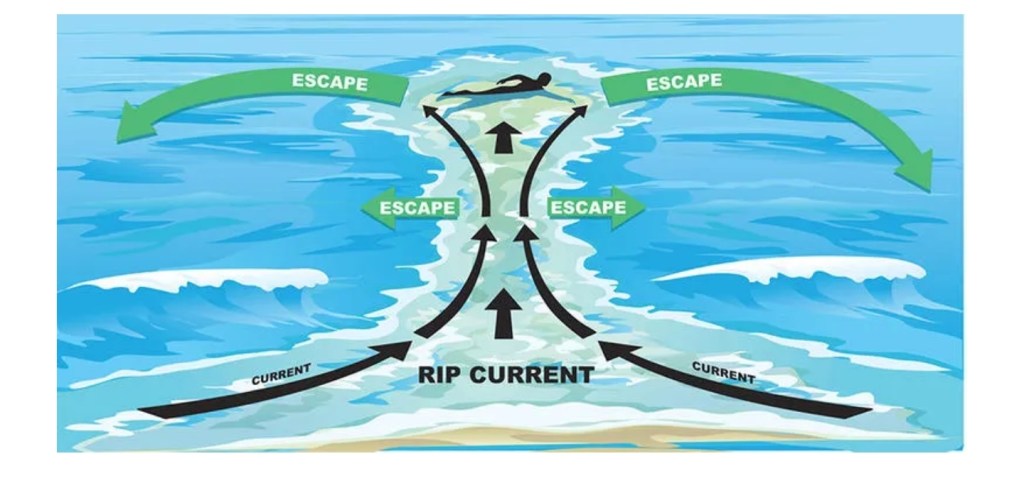
If you are already in the sea and get caught in a rip current (you’ll know because you will suddenly be moved from your location and it will be impossible to swim against it) don’t panic. Swim ACROSS, not against the rip current. For example, rather than trying to swim to shore while being pushed out, swim parallel to the beach and you will be able to get out. Then you can swim ashore. Please educate friends or family visiting the beaches this Spring and Summer. Stay safe 🙏
I say this, but Rip Current, aka Riptide occurs year round (all year long), and in every ocean, sea, lake and more on the planet.
Rip Currents are driven by the action of breaking waves and are found on a range of beach types along ocean, sea, and lake coastlines–anywhere that breaking waves are present!
Rip tides are strong currents of water that occur at inlets, such as barrier beaches, lagoons, and inland marinas. They are caused by the tide pulling water through an inlet during ebb tide. Rip tides occur at inlets every day, while rip currents are periodical at distinct locations.
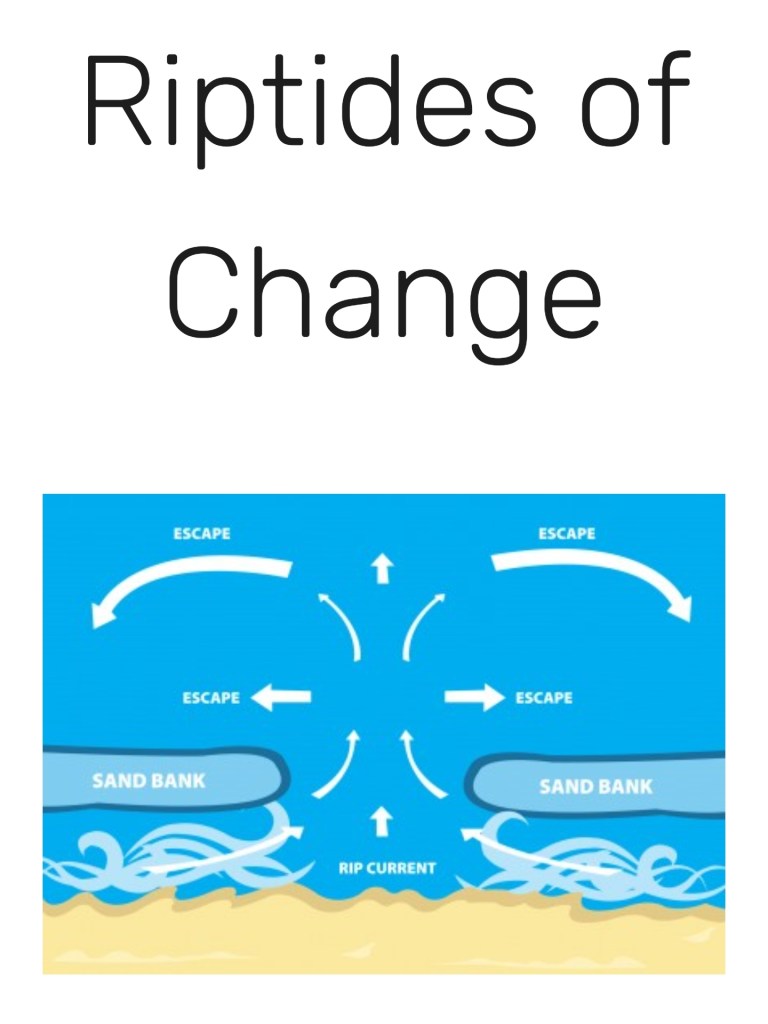
Rip currents are powerful, channeled currents of water that flow away from shore. They can form at the coasts of oceans, seas, and large lakes when there are waves of sufficient energy. Rip currents can occur on many beach types, including long, straight beaches, embayed beaches, beaches with sandbars, and deeper channels. They typically form at low spots or breaks in sandbars, and also near structures such as groins, jetties, and piers.
Rip currents are one of the most dangerous natural hazards in the world. They can be more than 45 meters (150 feet) wide, but most are less than 9 meters (30 feet). They can move at 8 kilometers (5 miles) per hour, which is faster than an Olympic swimmer. Rip currents do not pull people under the water, but they do pull people away from shore.
 Leila World Blog