
Plato once claimed that the man who invented beer must have been wise—but he was mistaken. It wasn’t a man. It was women. Over 7,000 years ago in ancient Mesopotamia, a group of ingenious women discovered that when cereal grains mixed with water were left in the sun, they transformed into something extraordinary: a fermented, thick, intoxicating liquid. This wasn’t just food—it was sustenance for the soul.
These early brewmasters refined the process, adding herbs, experimenting with flavors, and perfecting fermentation. In Sumeria, they honored Ninkasi, the goddess of beer—a divine nod to the women who brewed and sold it. In ancient Egypt, beer production was largely overseen by women, seen not just as labor, but as a sacred gift.
The Middle Ages brought a pivotal shift. Hildegard of Bingen, a visionary abbess and scholar, introduced hops to beer, giving it the flavor and longevity we now associate with modern brewing. Her impact was profound—but as brewing became industrialized, men took over the trade, and women’s vital role was largely erased.
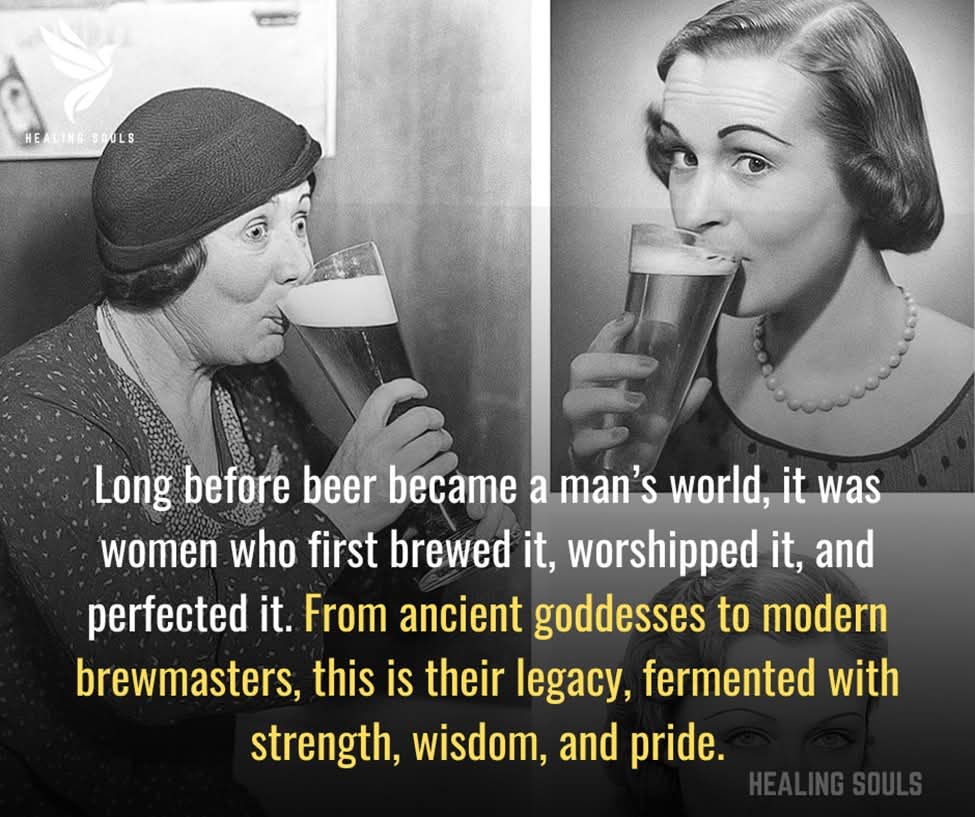
Today, however, women are reclaiming that lost legacy. They are brewmasters, founders, tasters, innovators—reviving a tradition that was always theirs. Every pint poured by a woman today echoes a history thousands of years in the making. Beer was never just a man’s invention. It began in women’s hands, and there it returns—refined, powerful, and proud.
 Leila World Blog